
CAMPING & OVERLANDING in oman
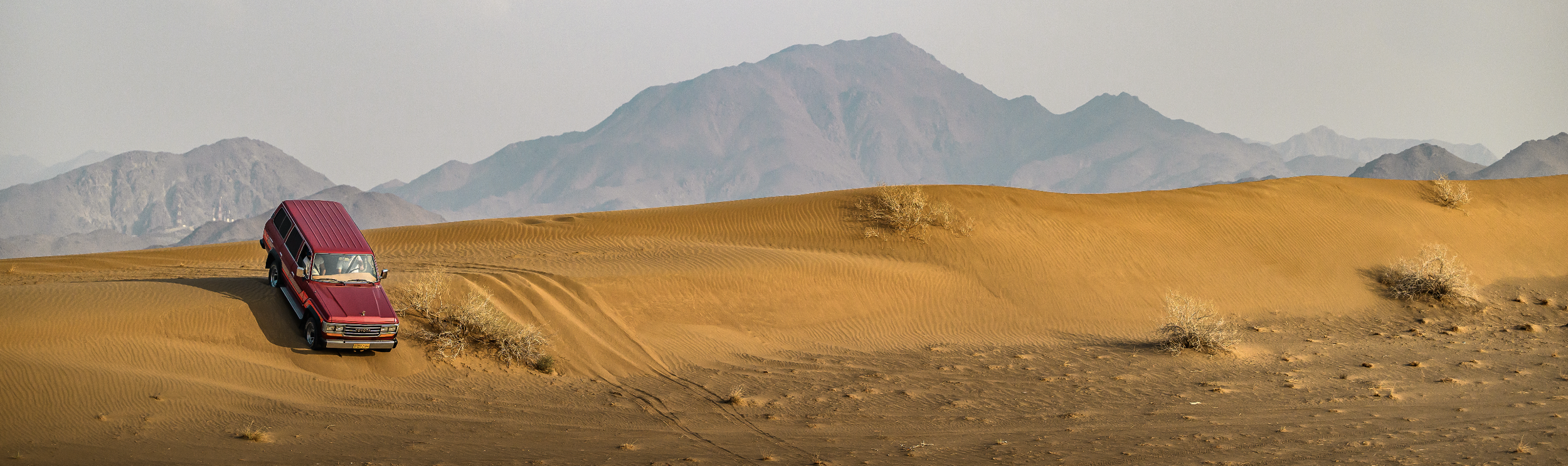
Oman was made for the road. Mountains, deserts, wadis and remote coastlines are connected by journeys that can change completely within a few hours. With a 4×4, a well-planned route and a camp packed in the back, you can experience a side of the country that hotels and highways rarely reveal.
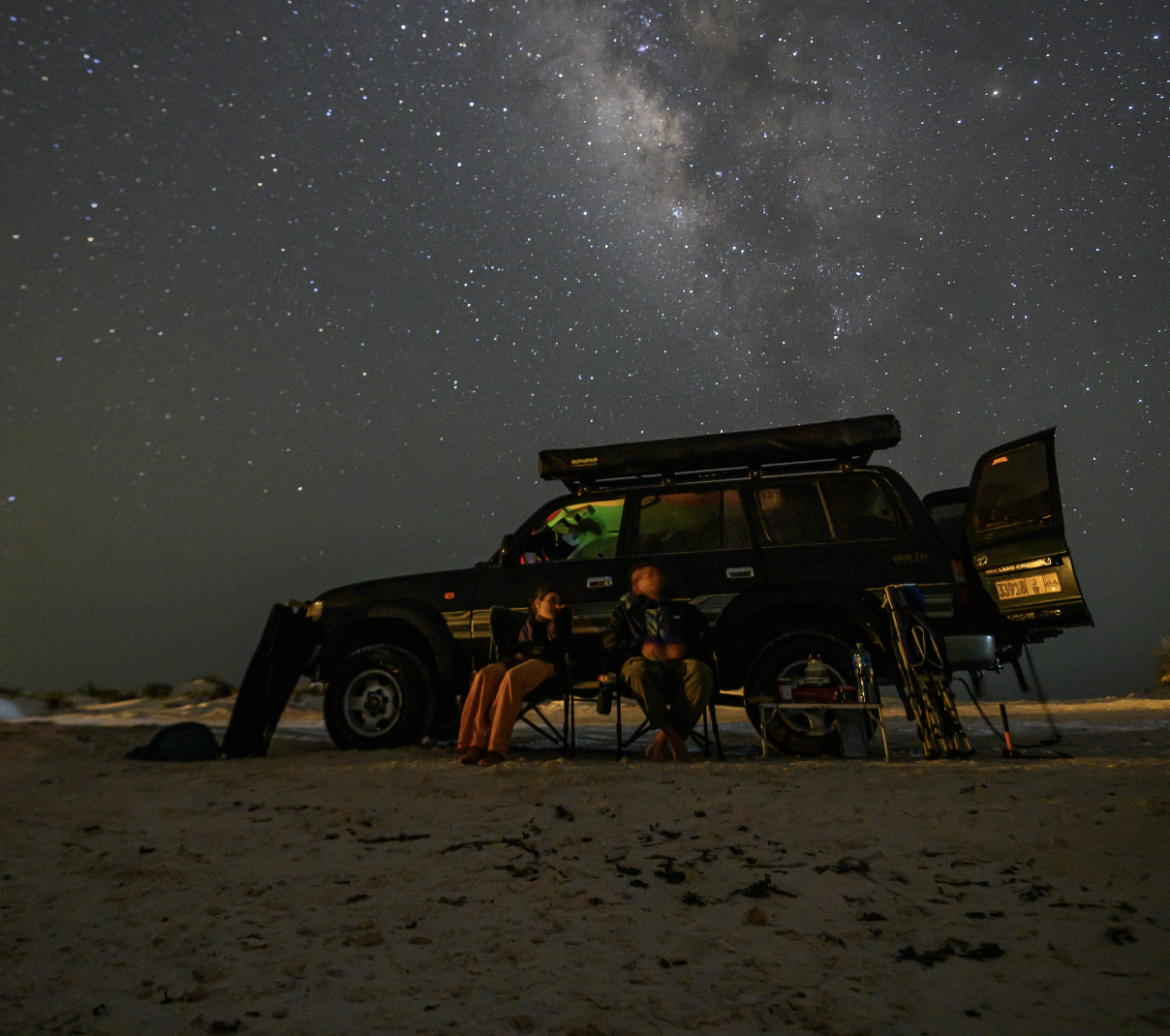
Camping is one of the best ways to experience Oman. You can wake up between desert dunes, spend the following night beside the sea and finish the journey high in the mountains beneath a completely different sky.

The freedom to move between these landscapes is what makes overlanding in Oman special. The road is not simply how you reach the destination—it is a major part of the adventure.

Some locations are accessible by paved roads, while others require off-road driving, local knowledge and careful planning. The right experience depends on your vehicle, confidence, time and how far away from the familiar you want to go.
WHY Go Camping in Oman?
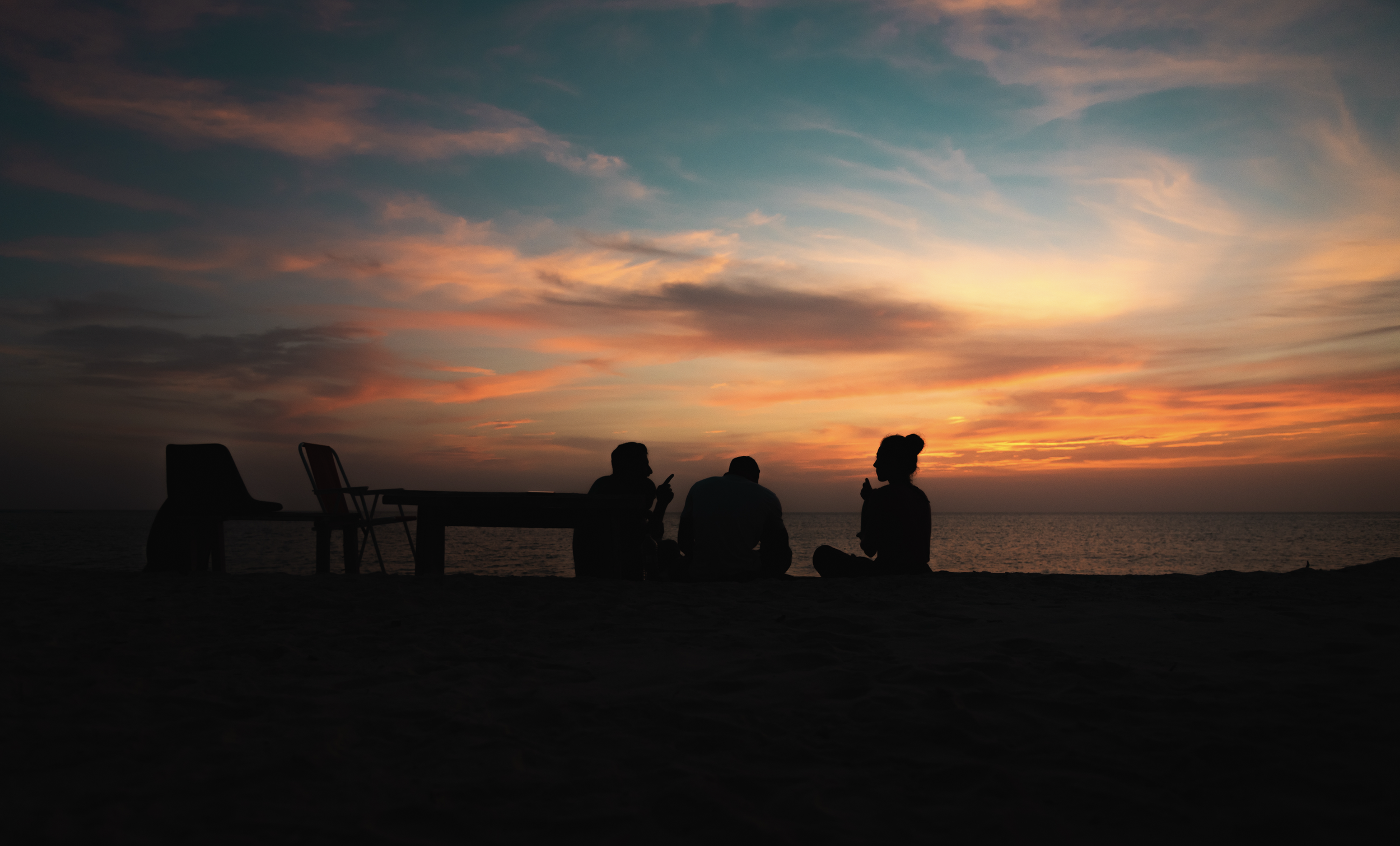
The main camping and overlanding season in Oman runs from approximately October to April, when daytime temperatures are cooler and nights are more comfortable across the desert, coast and lower mountains.

December, January and February offer the coolest weather, particularly at night and at higher elevations. Warm clothing and a suitable sleeping bag are important because mountain and desert temperatures can fall significantly after sunset.

Camping is still possible during the warmer months if the destination is chosen carefully. Higher areas such as Jebel Akhdar and Jebel Shams are cooler than the lowlands, while parts of Oman’s central and southern coastline experience strong winds and lower temperatures during summer.

Dhofar has a completely different season. Between roughly June and September, the khareef brings cooler weather, cloud, mist and rain around Salalah and the surrounding mountains. Campsites during this period should be selected carefully because the ground can become wet, visibility may be limited and popular areas can become busy.
When Is the Best Time to Camp in Oman?
JANOOB NOTE
There is no single camping season for the whole country. When one part of Oman becomes too hot, another may offer cooler mountains, strong coastal winds or the green landscapes of the khareef
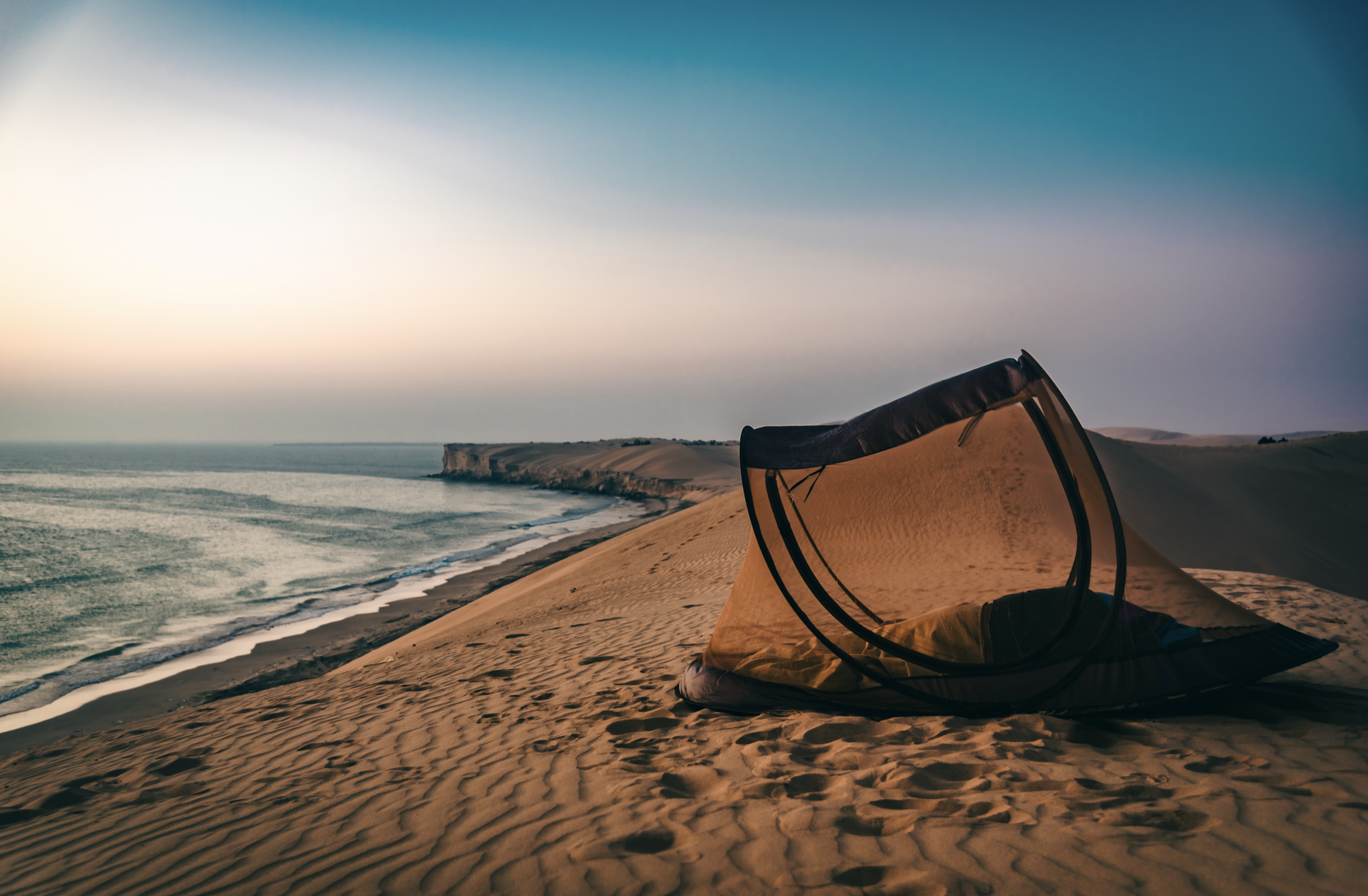
Wild camping is widely practised across Oman, particularly on suitable public land away from towns and developed areas. However, that does not mean you can camp anywhere without considering access, safety or local restrictions.

Avoid private property, farms, villages, military areas, archaeological sites and any location where camping is prohibited. Protected nature reserves and environmentally sensitive areas may require permission or have specific rules.

If you are unsure whether an area is public or appropriate for camping, ask locally or choose another location. Never block roads, fishing access, farms or tracks used by nearby communities.

Always check the ground carefully before setting up camp. Do not camp inside a wadi channel, below visible flood marks or directly beside flowing water. Rain falling far away in the mountains can cause a sudden flash flood even when the sky above your camp appears clear.

On beaches, remain safely above the high-tide line and consider changing tides, wind direction and soft sand before choosing where to park.
Can You Wild Camp in Oman?
Where Can You Camp and Overland in Oman?
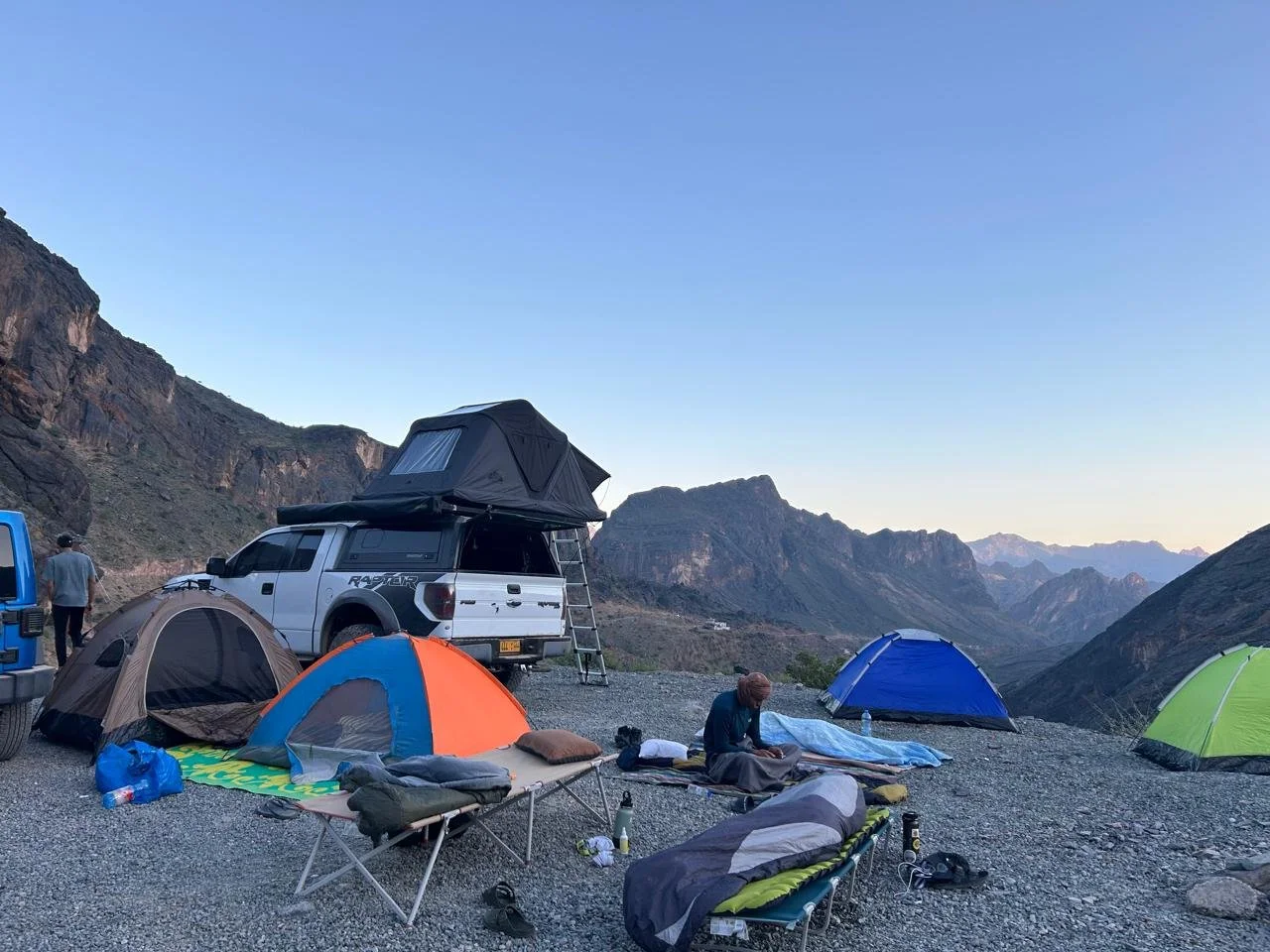
Mountains
Al Hajar Mountains offer cooler temperatures, dramatic viewpoints, remote villages and routes ranging from accessible paved roads to steep off-road tracks.

Mountain weather can change quickly, and some routes include exposed sections, loose surfaces and limited space to turn around. Check the road conditions and make sure your vehicle and driving experience match the route.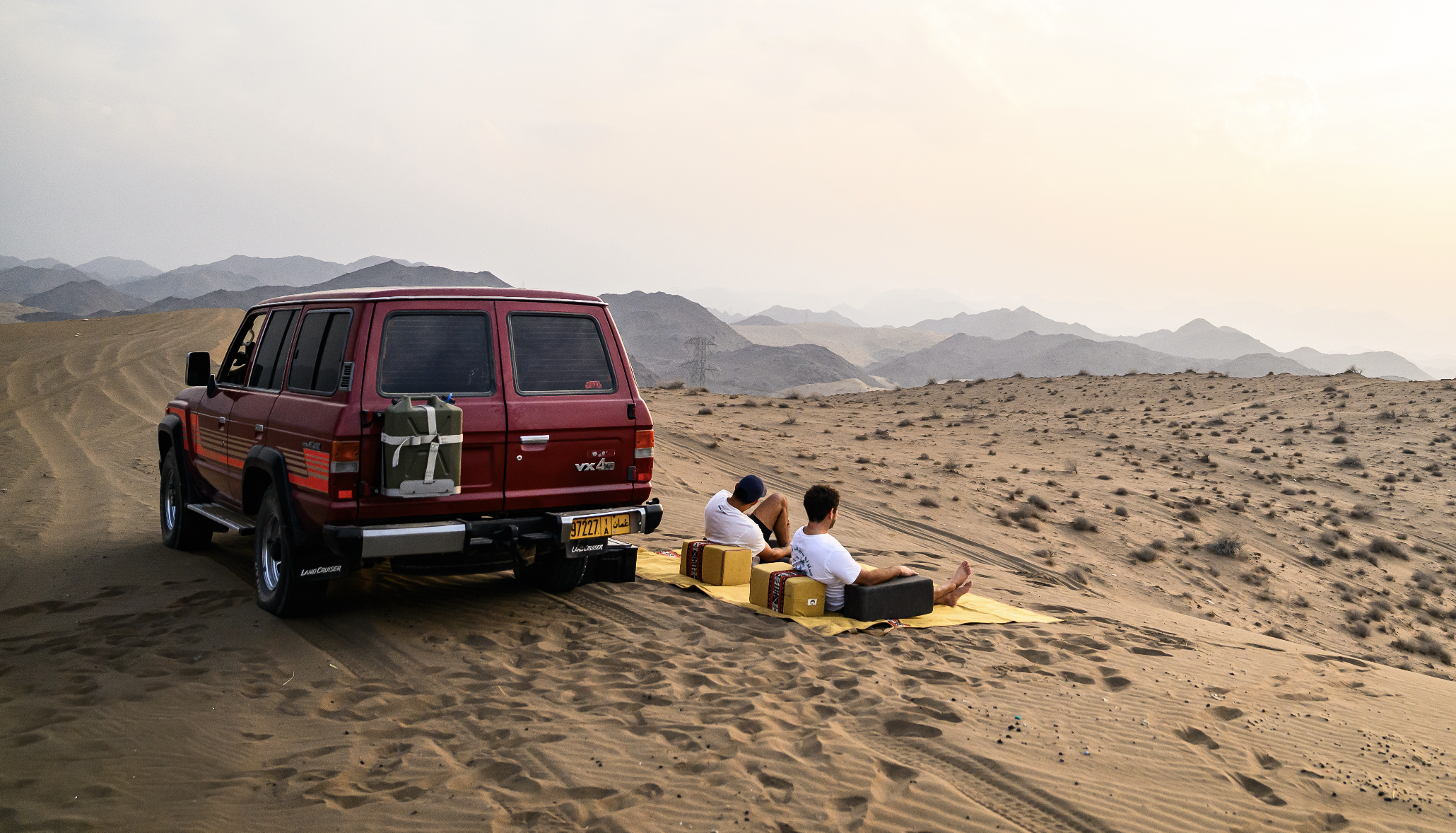
Desert
Oman’s desert landscapes range from the high dunes of Sharqiyah Sands to remote open desert and the Empty Quarter farther south.

Driving in dunes requires a suitable 4×4, reduced tyre pressure, recovery equipment and experience reading the sand. Remote desert travel should be done with more than one vehicle whenever possible.

Choose firm, level ground for camp and avoid setting up beneath steep dune faces, where sand can shift or vehicles may pass unexpectedly.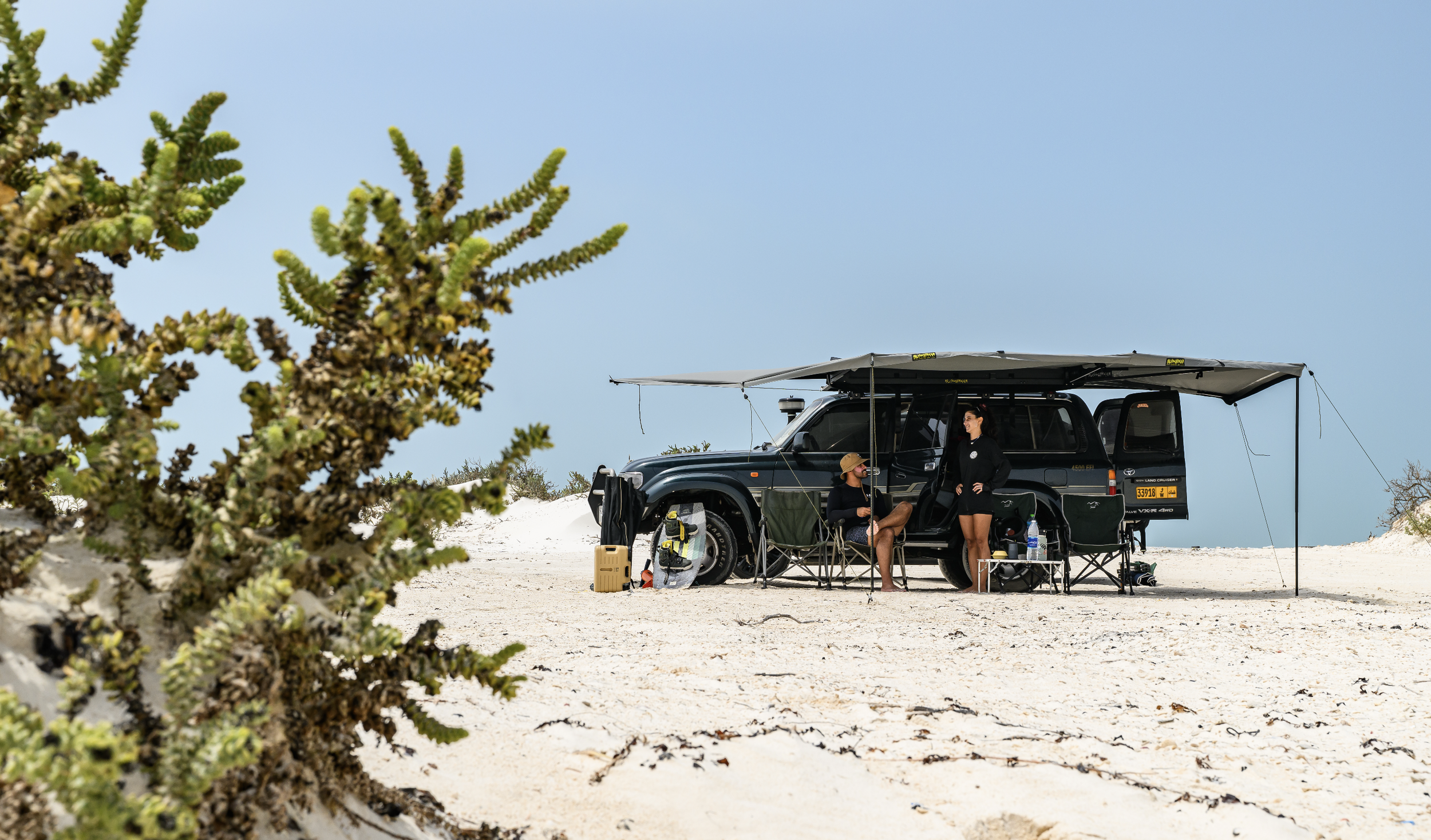
Coastline
Oman’s coastline offers long beaches, rocky headlands, white dunes and remote fishing communities. Some coastal camps are easy to reach, while others involve sand, rough tracks or long distances without services.

Check the tide before driving or camping on a beach. Saltwater, soft sand and tidal flats can trap or damage a vehicle very quickly. Never follow old tyre tracks blindly—the conditions may have changed since the previous vehicle passed.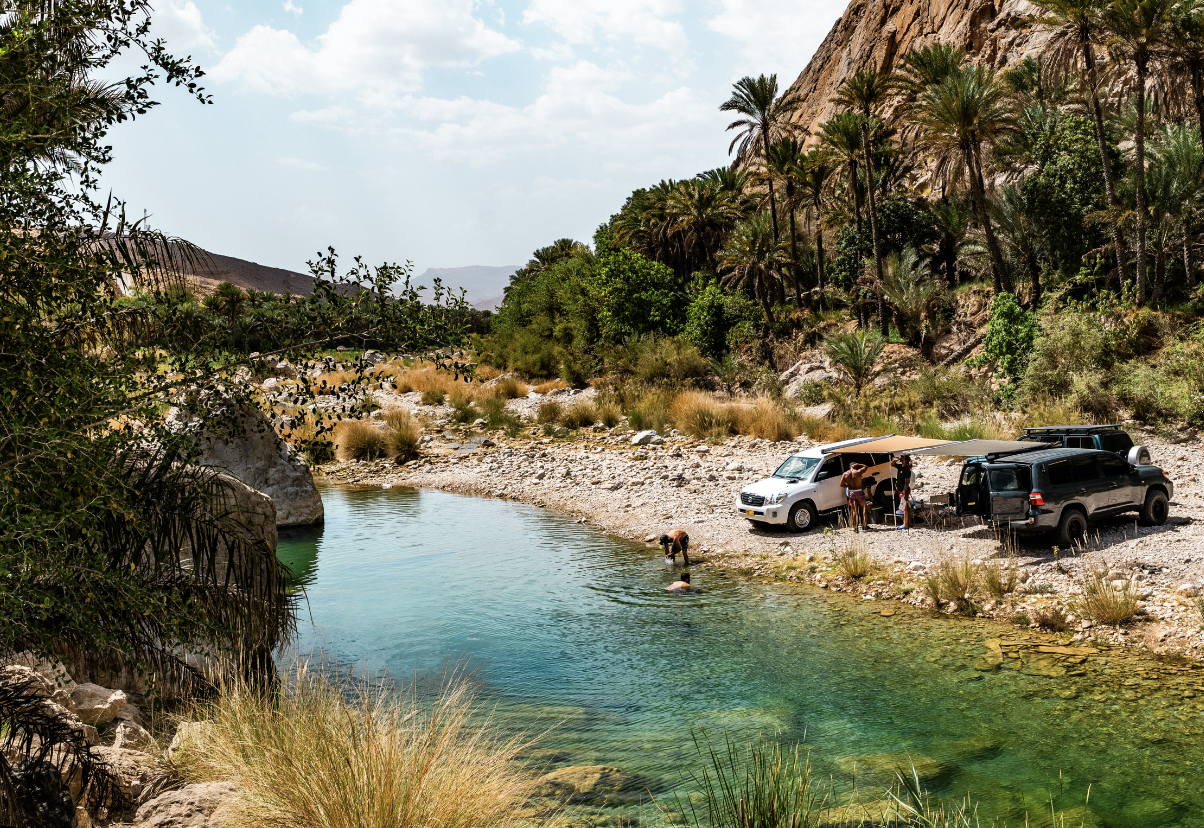
Wadis
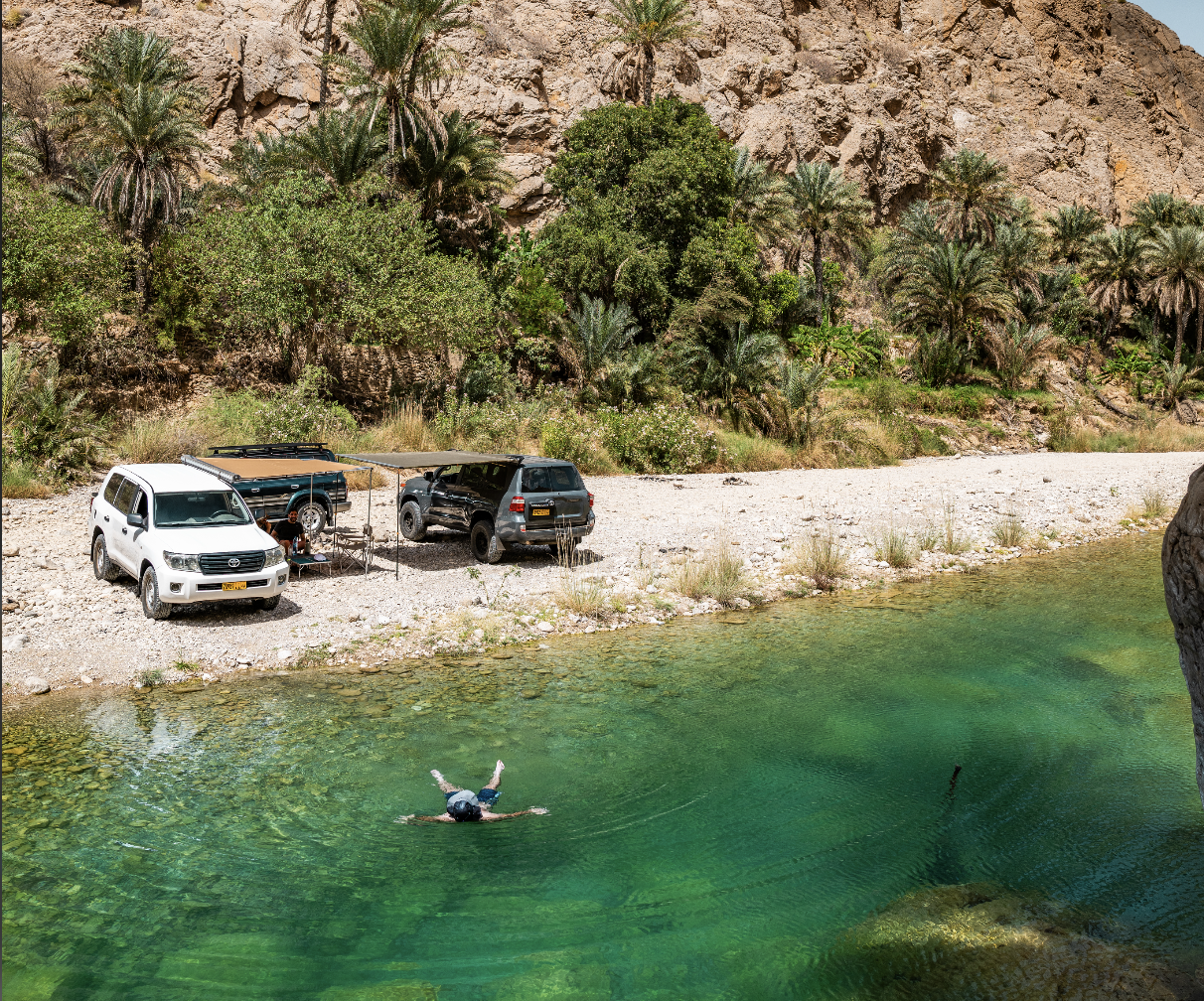
Wadis can offer beautiful camps surrounded by mountains, but campsite selection is critical.

Camp on high, stable ground away from the main water channel. Check the weather across the surrounding mountains and move immediately if rain is forecast or water levels begin to change.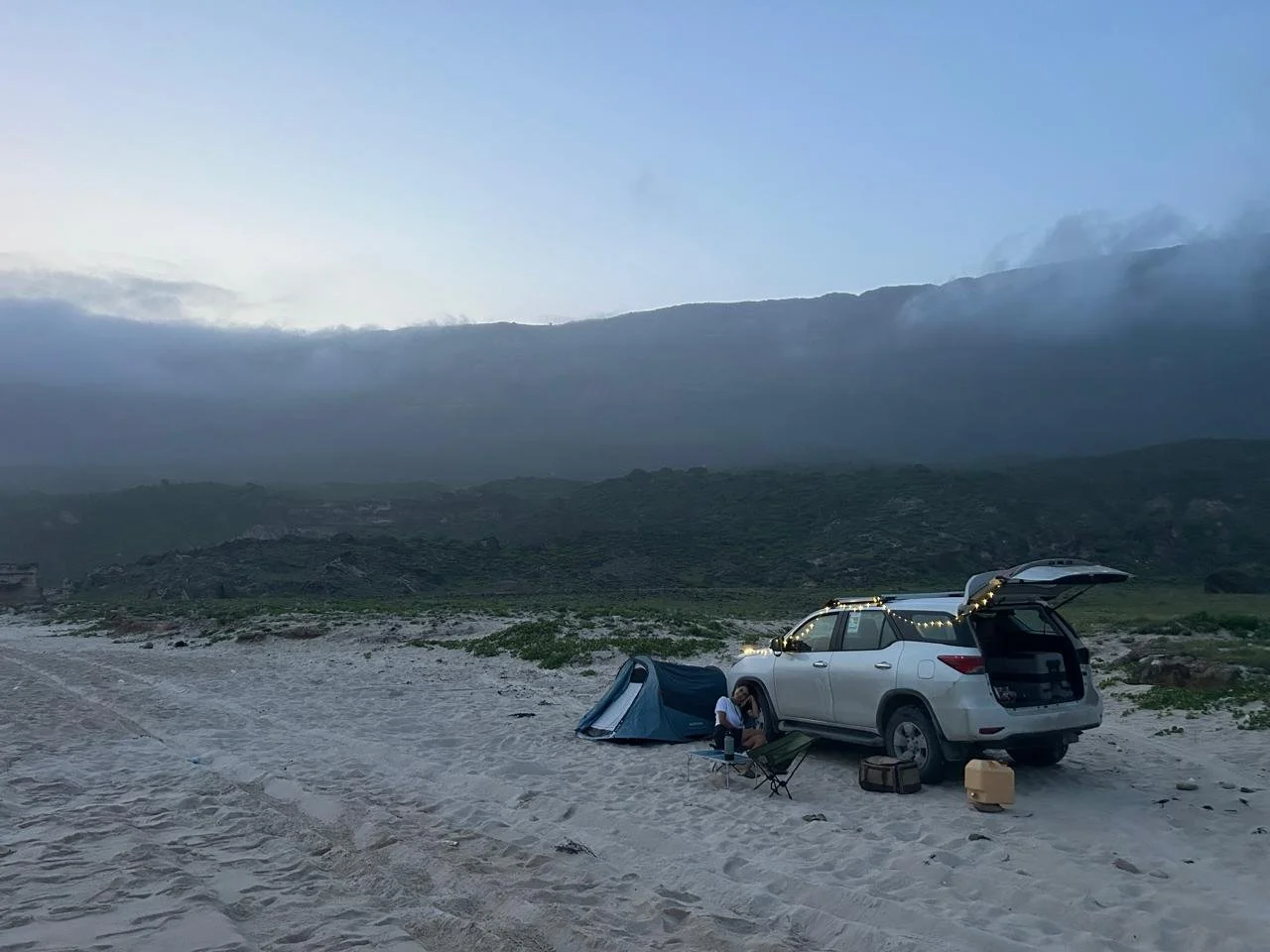
Southern Oman
The journey south passes through some of Oman’s most remote landscapes, including vast open plains, dramatic cliffs, empty beaches and the mountains of Dhofar.

Distances are long, services are more spread out and conditions can vary greatly by season. Carry enough fuel, water and supplies, and plan each section of the route before leaving the previous town.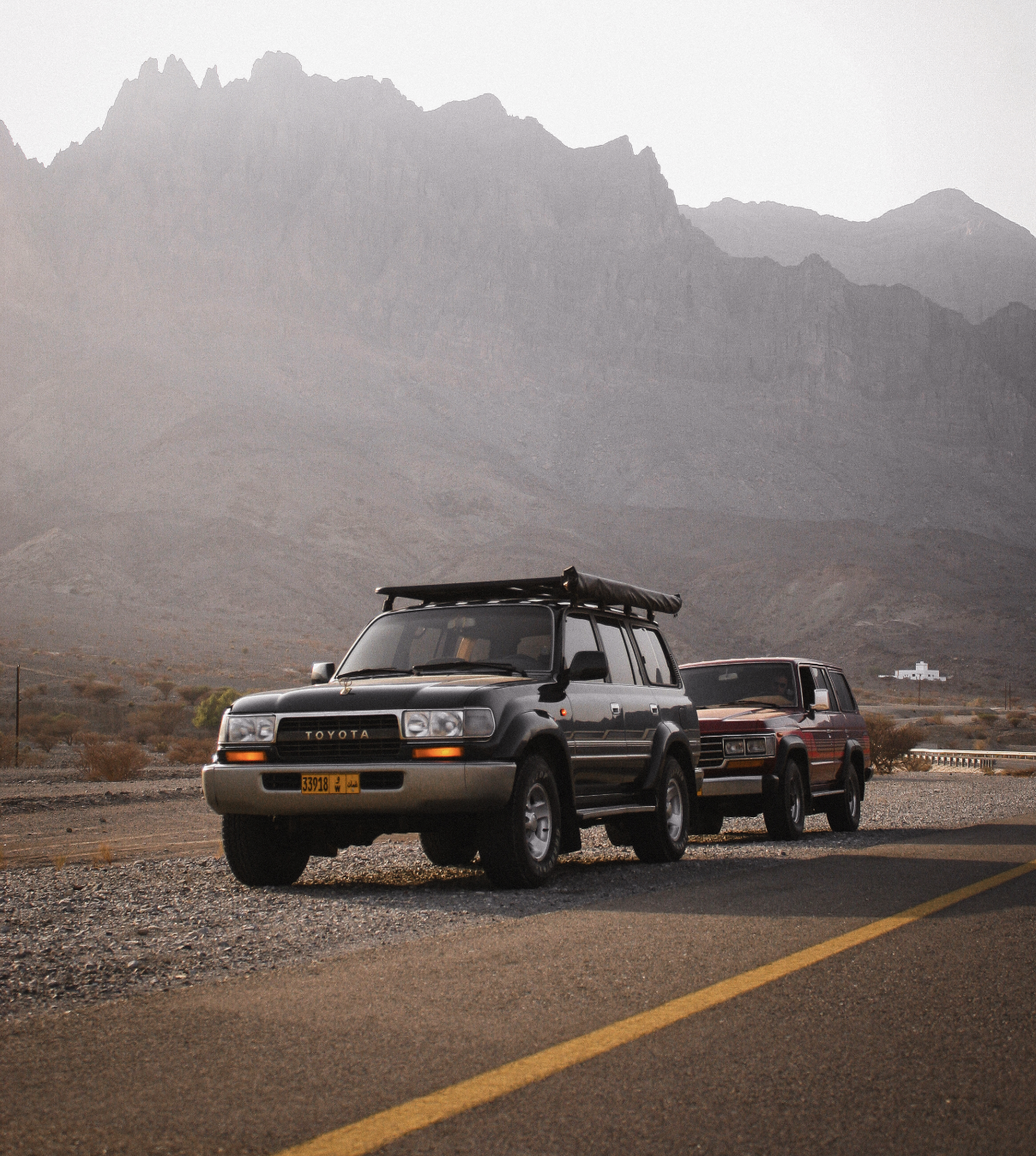
You can see many parts of Oman with a normal car, particularly if you stay on paved roads and use established campsites. However, a 4×4 gives you access to more remote beaches, mountain tracks, desert camps and off-road routes.

A capable vehicle does not replace off-road experience. Sand, mud, loose rock, steep descents and tidal flats all require different driving techniques. Before leaving the road, understand the terrain, tyre pressures, vehicle clearance and available recovery points.

For remote journeys, travel with another vehicle whenever possible and tell someone where you are going. Carry enough fuel, water and supplies to deal with delays or unexpected route changes.

Janoob trips offer two options: you can join the convoy in your own suitable 4×4, or travel with us in one of our vehicles.
Do You Need a 4×4 to Explore Oman?
The freedom to camp in Oman comes with a responsibility to care for the places you visit.

Take all waste with you, including food scraps, tissues and charcoal. Use existing tracks wherever possible and avoid driving across vegetation, nesting areas or untouched ground simply to create a new route.

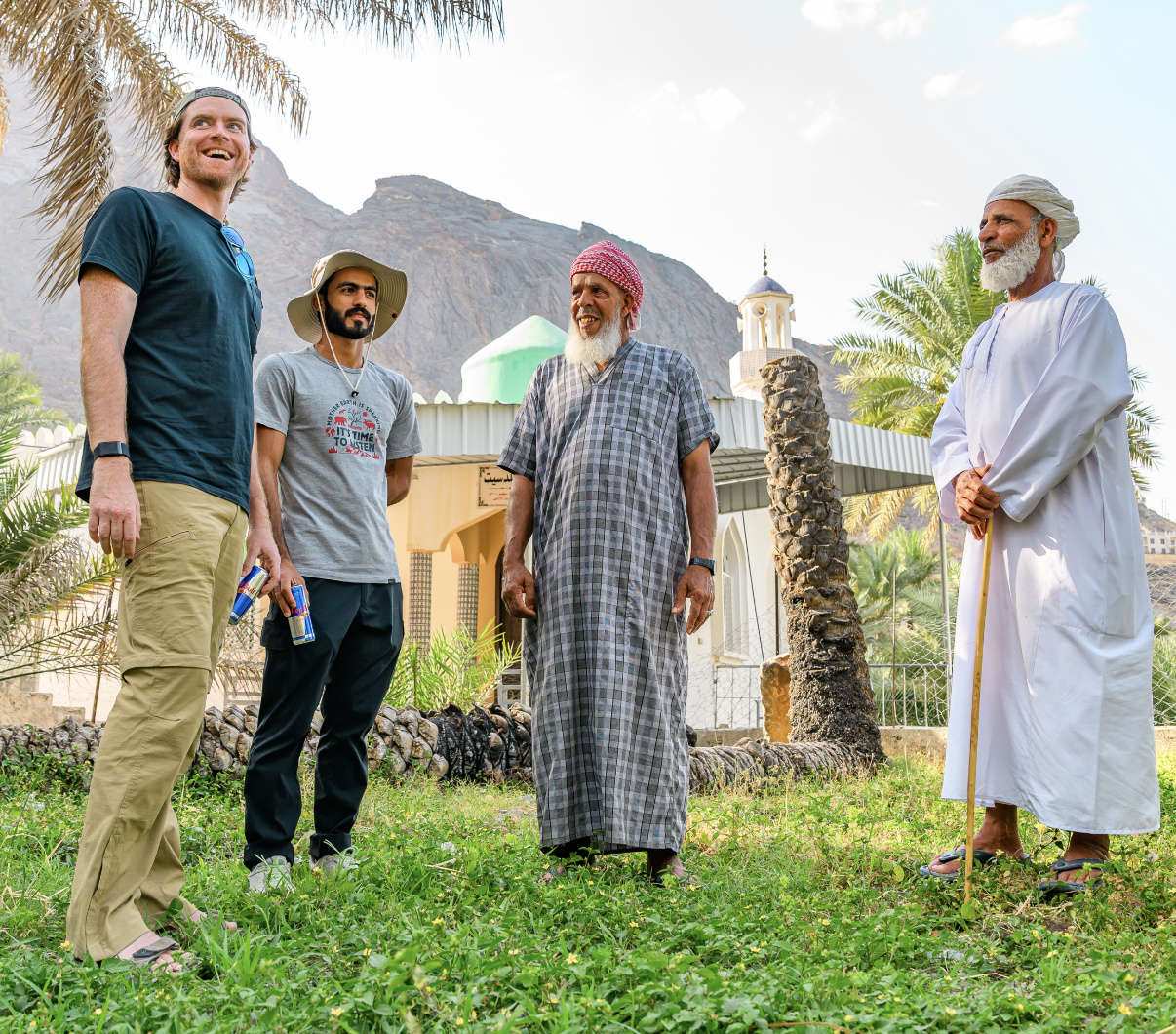
Keep a respectful distance from homes, fishing areas and villages. Dress appropriately when visiting communities and always ask before photographing people.

Use fires responsibly and only where conditions allow. Keep them small, never leave them unattended and make sure they are completely extinguished before leaving.

The goal is simple: when the camp is packed, the landscape should look as though you were never there.
Respecting the Land and Local Communities
Self-Drive or Travel With Janoob
self drive
Bring your own suitable 4×4 and follow the Janoob convoy. We guide the route, coordinate the group and help you prepare your vehicle for the terrain expected on the trip.TRAVEL WITH US
If you do not have a suitable vehicle or prefer not to drive, you can join us in one of the Janoob Land Cruisers.Private Overland Trips
We can create a private journey around your dates, group size and preferred balance of camping, outdoor activities and accommodation.