
Climbing & canyoning in oman
Oman’s limestone mountains, deep wadis and coastal cliffs create a natural playground for climbing and canyoning. From beginner-friendly sport routes to multi-pitch walls, deep-water soloing, abseiling and technical canyon descents, there are adventures for every level.
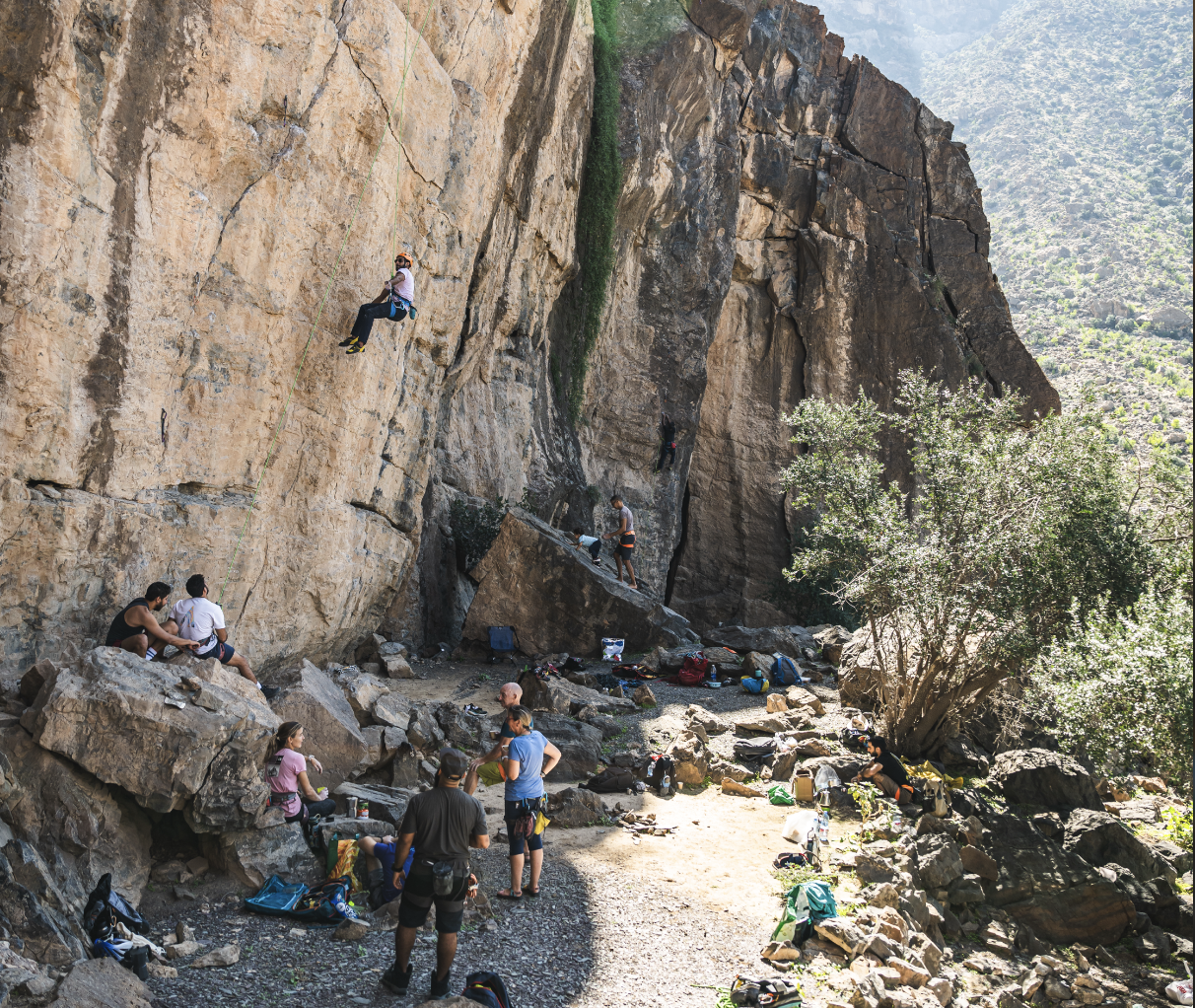
The Al Hajar Mountains stretch across northern Oman, forming limestone cliffs, narrow gorges and enormous mountain faces. Within a few hours of Muscat, climbers can find everything from accessible single-pitch routes to remote multi-pitch adventures.

What makes climbing in Oman special is the variety. You can spend one day climbing high in the mountains and the next moving through a wadi or climbing directly above the sea.

Many climbing areas remain quiet and undeveloped, so reaching them often requires local knowledge, careful preparation and sometimes a 4×4. The approach, the landscape and the journey are all part of the experience.
why climb in Oman?
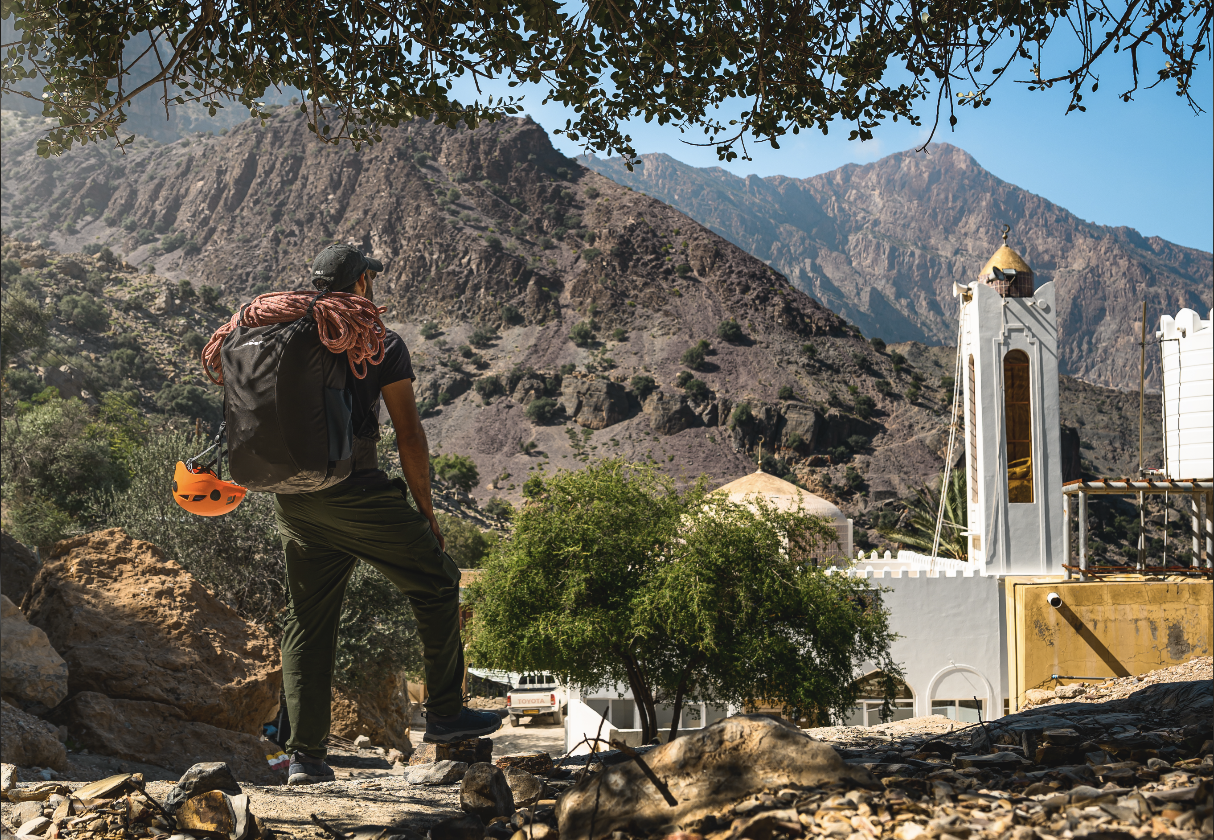
The main outdoor climbing season in Oman runs from approximately October to April, when temperatures are cooler and more comfortable for long days on the rock.

December, January and February generally offer the coolest conditions, particularly for exposed cliffs and longer routes. October, November, March and April can also be excellent, but choosing the right elevation, orientation and time of day becomes more important.

Summer climbing is possible at higher-altitude areas where temperatures are cooler, but lower crags can become extremely hot. Deep-water soloing and water-based canyoning may also be possible during warmer months when sea, weather and water conditions allow.

Conditions should always be checked before setting out. Rainfall in the mountains can cause flash floods, and even distant rain can make a canyon or wadi unsafe.
When Is the Best Time to Surf in Oman?
Sport Climbing
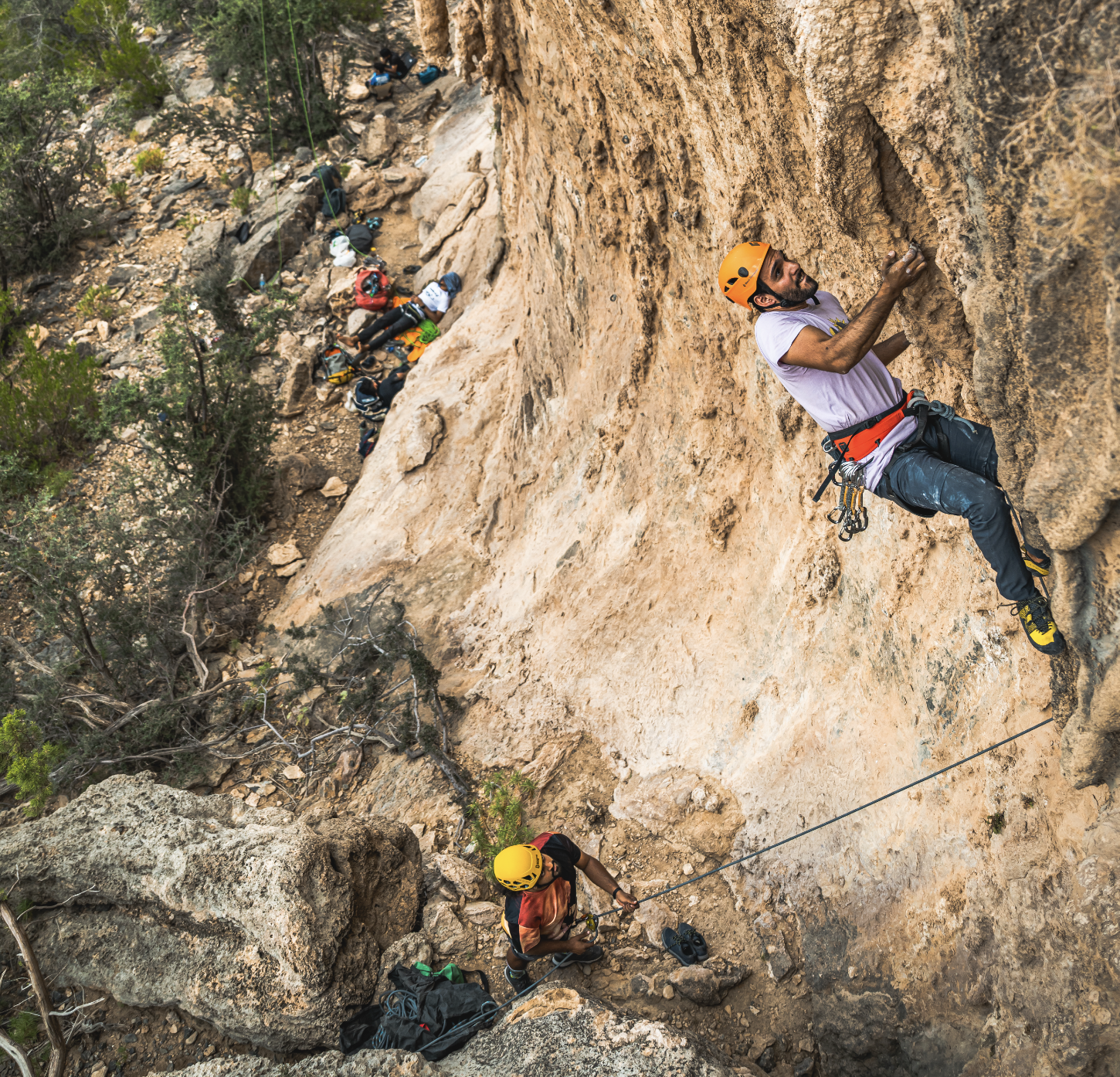
Oman has a growing collection of bolted sport-climbing areas with routes for beginners, intermediate climbers and experienced athletes. Sport climbing is a good introduction to outdoor climbing because the routes use fixed protection, although proper equipment and belaying knowledge are still essential.Traditional and Multi-Pitch Climbing
Oman’s larger mountain walls offer traditional and multi-pitch climbing, including long routes that require route-finding, technical equipment and strong mountain experience.These adventures are generally for experienced climbers or guests accompanied by qualified guides. Approaches can be remote, routes may take most of the day and retreating is not always straightforward.Bouldering
Bouldering involves climbing shorter problems without ropes, using crash pads for protection. Oman has bouldering possibilities across mountain and wadi environments, although many areas remain less documented than established international destinations.Deep-Water Soloing
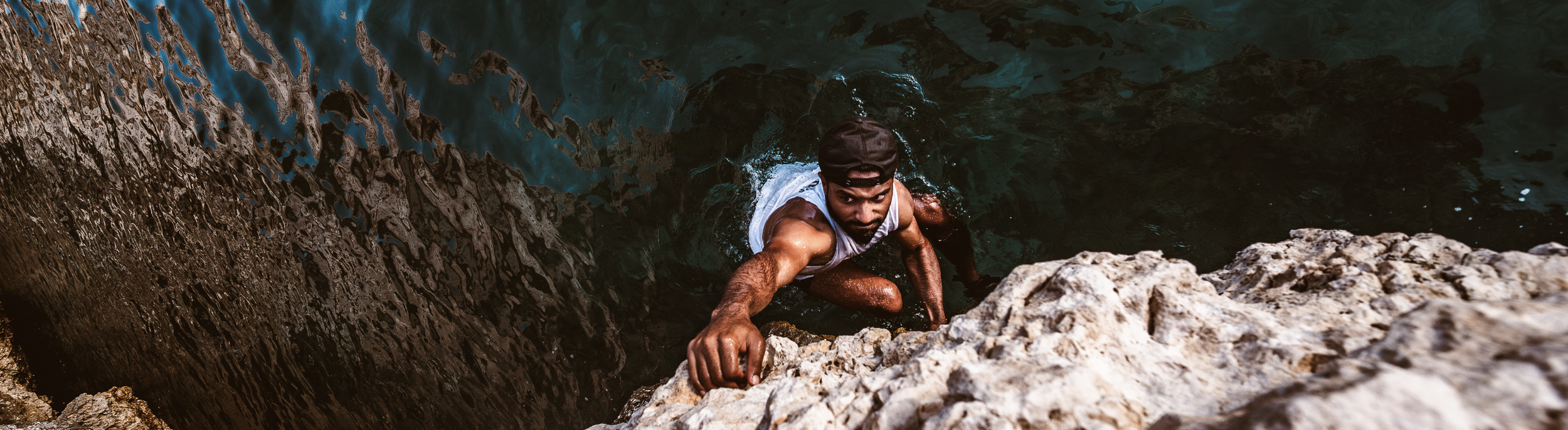
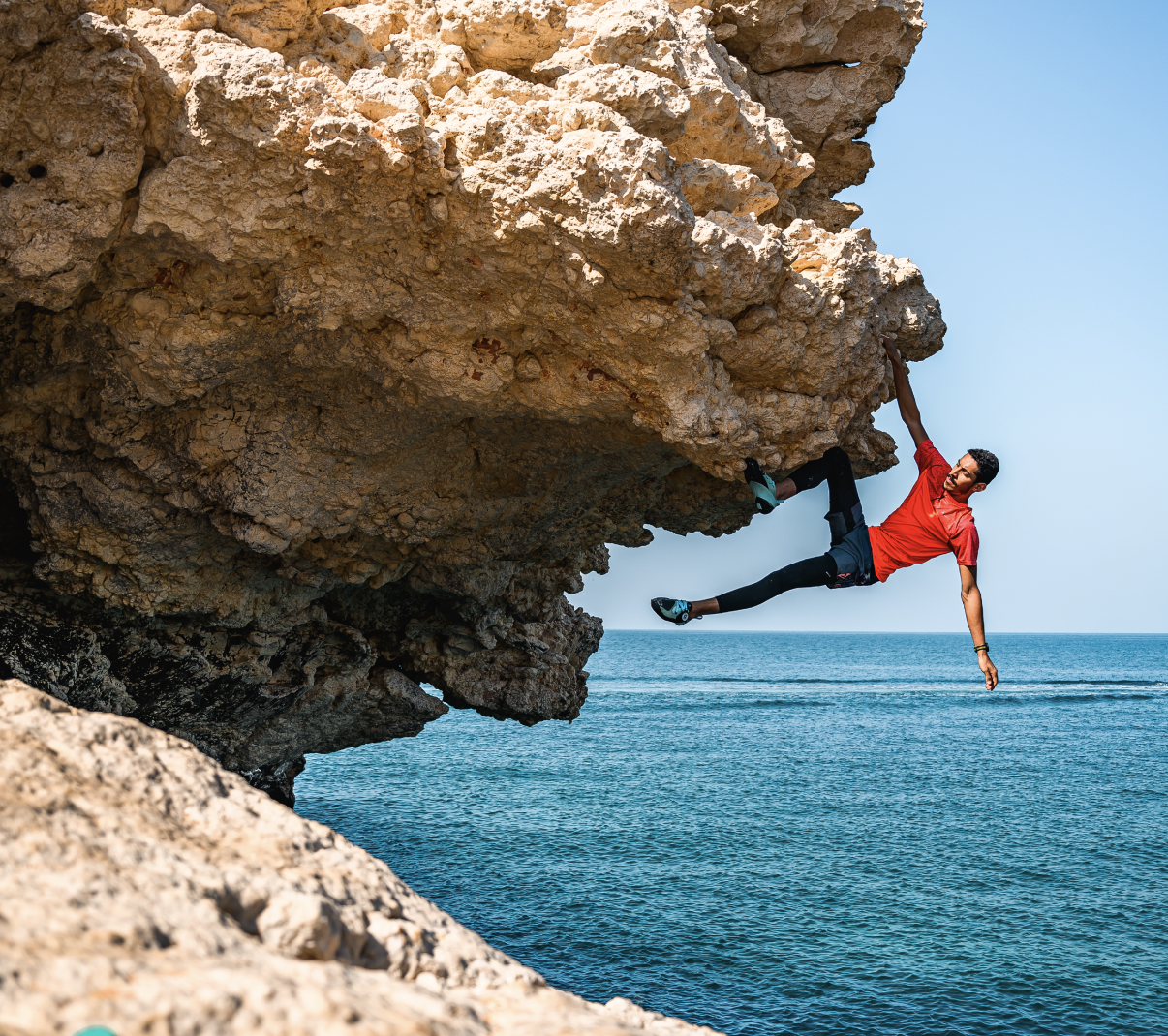
Deep-water soloing means climbing without ropes above the sea, with deep water below acting as the landing zone. Oman’s coastal limestone cliffs make this one of the country’s most distinctive climbing experiences.It can be accessible to confident beginners on carefully selected low routes, while stronger climbers can attempt higher and more technical lines. Safe water depth, tides, sea conditions, exit points and boat support must all be checked first.Via Ferrata
Via ferrata routes use fixed cables, metal steps and safety systems to help participants move across exposed mountain terrain. They offer the height and excitement of climbing without requiring the same technical experience as independent rock climbing.Via ferrata routes should only be attempted with the correct equipment and through authorised operators where required.what kind of climbing can you do in oman?
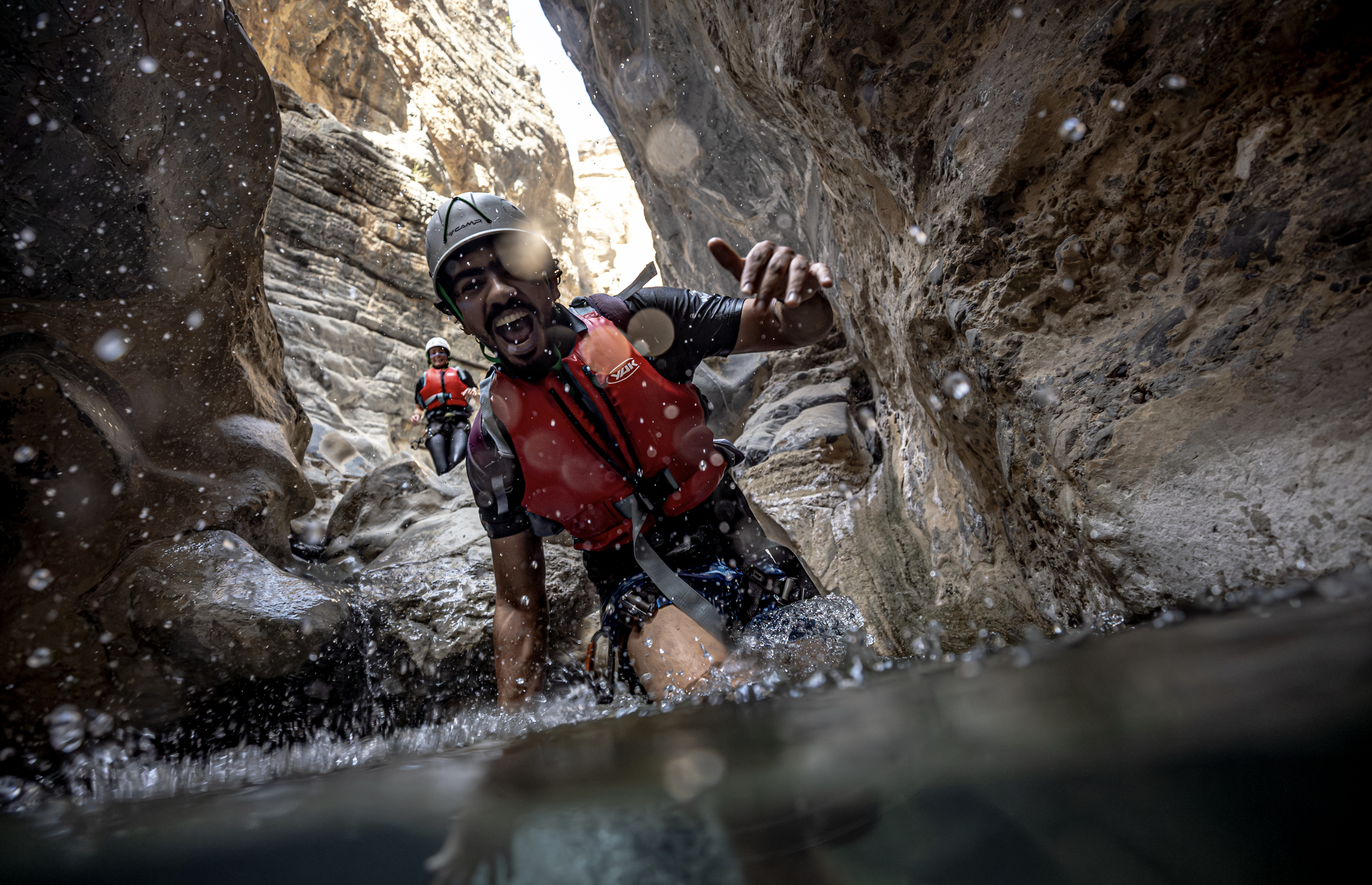
Canyoning is the exploration of narrow gorges and wadis using a combination of hiking, scrambling, swimming, jumping, abseiling and climbing.

Some routes are relatively accessible and focus on hiking and swimming through natural pools. Others involve technical rope descents, exposed traverses, committing jumps and sections where turning back may not be possible.

Oman’s wadis vary dramatically according to the location, season and recent rainfall. A dry canyon can become dangerous very quickly during changing weather, so technical routes should be planned with experienced guides who understand the canyon and its possible escape points.
What is canyoning in Oman?
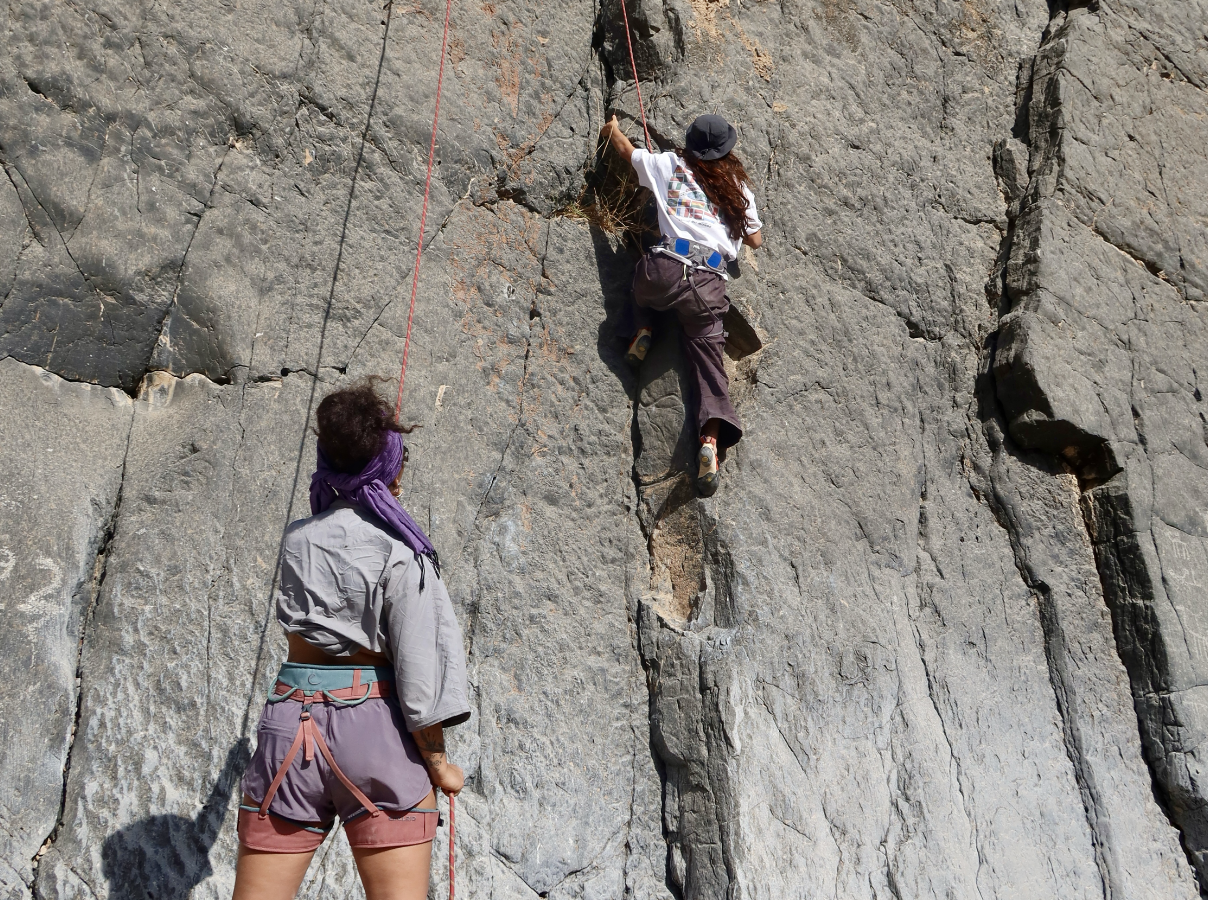
You do not need previous climbing or canyoning experience to join a beginner-friendly Janoob adventure.

For climbing, beginners can learn the basic use of a harness, helmet and climbing shoes, along with movement, belaying and communication. The route is selected according to the ability and confidence of the group.

Beginner canyoning experiences may involve walking, swimming and manageable scrambling. More technical routes can include high abseils, jumps, exposed sections and long periods in the water, making them suitable only for participants with the required fitness and confidence.

Every experience should be matched to the group rather than expecting the group to
match the route.
Do i have to be experienced?
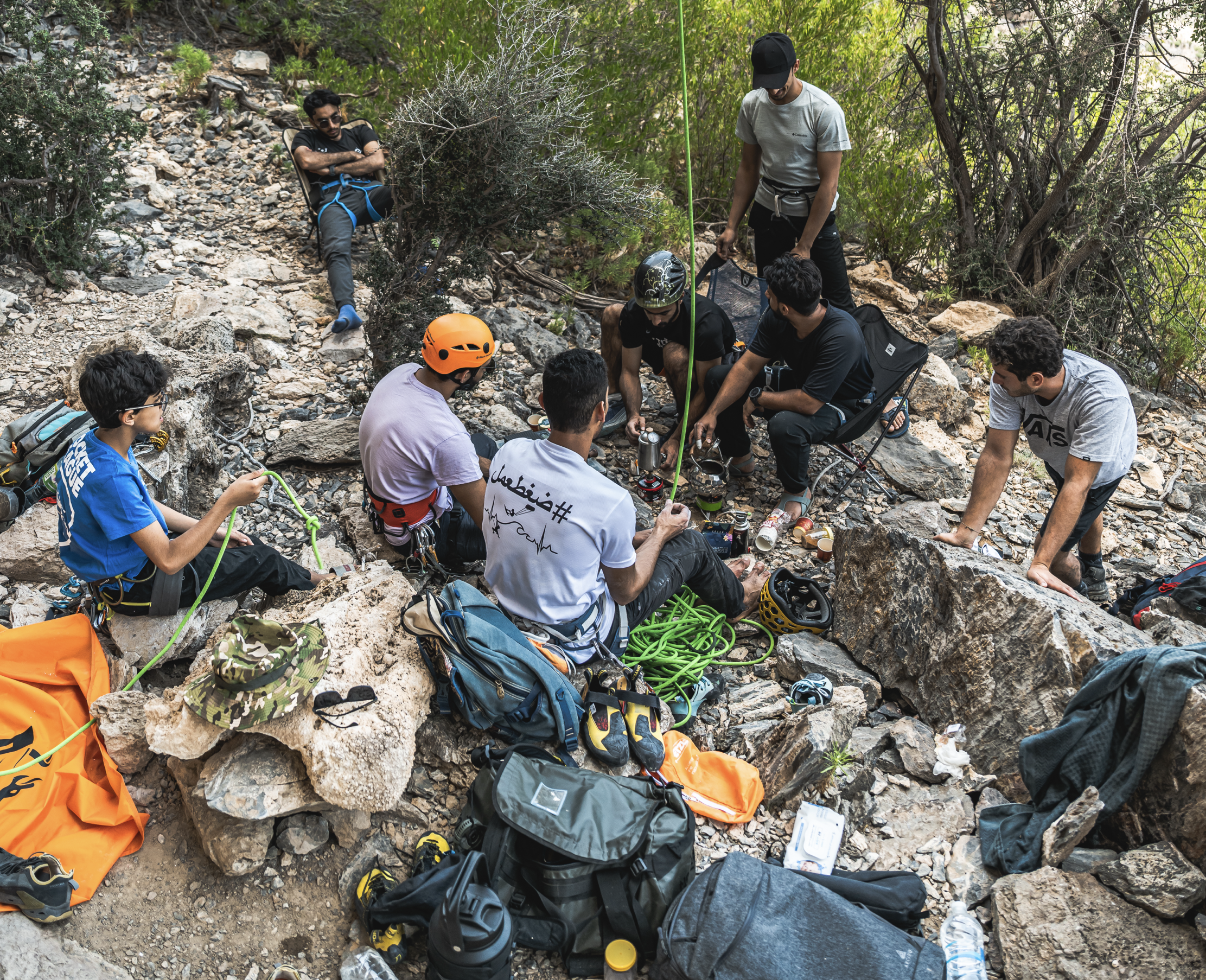
Janoob can arrange the technical equipment required for your chosen activity, including helmets, harnesses, ropes and other essential safety gear. Equipment and guiding need to be planned in advance according to the route and group size.

Guests should bring:

Comfortable outdoor clothing
Suitable hiking or approach shoes
Sun protection
A small backpack
Swimwear and a towel for water-based activities
A dry change of clothes
Any personal medication

Climbing shoes and specialist equipment can also be arranged when required. Before the trip, we will confirm exactly what is provided and what you need to bring.